
Managing small appliance removal doesn’t have to be expensive, confusing, or time-consuming. Whether you’re clearing out a kitchen full of outdated gadgets or replacing a single broken microwave, a smart plan can save you money, protect the environment, and reduce stress. This guide walks you through practical, real-world hacks to deal with small appliances the right way—without wasting time or paying more than you need to.
Step one: Know what counts as a “small appliance”
Before you decide how to handle small appliance removal, get clear on what you’re dealing with. “Small appliances” typically include items like:
- Toasters and toaster ovens
- Microwaves
- Coffee makers and espresso machines
- Blenders, mixers, food processors
- Air fryers, rice cookers, slow cookers, pressure cookers
- Electric kettles, hot plates
- Vacuum cleaners, stick vacuums, robot vacuums
- Hair dryers, curling irons, straighteners
- Space heaters, humidifiers, air purifiers
Why this matters: different items may qualify for different recycling programs or take-back options. Knowing exactly what you have helps you match each appliance to the cheapest and easiest removal method.
Hack #1: Sort first to save big on time and fees
Sorting your appliances into simple categories can dramatically cut your effort and disposal costs. Use three basic groups:
- Still working perfectly
- Working, but old or slightly damaged
- Dead, unsafe, or badly broken
Here’s how this saves you money and hassle:
- Group 1 (perfect) can often be sold or donated—potentially making you money and skipping disposal fees.
- Group 2 (imperfect) might still be donatable or sellable locally as “parts/repair.”
- Group 3 (dead) should go straight to recycling, scrap, or responsible disposal.
Doing this before you call a hauler or schedule a pickup prevents you from paying junk-removal rates for items that actually have value.
Hack #2: Check for retailer take-back and trade-in programs
Many people pay full junk-removal prices for appliances that stores will take back for free or at a discount. Always check:
-
Electronics and big-box stores
Some stores offer recycling or trade-in programs for microwaves, small kitchen appliances, vacuums, and more. Policies vary by location, so look at your local store’s website or call ahead. -
Brand-specific programs
Certain manufacturers run mail-in or drop-off recycling for their own products, especially coffee machines, grooming tools, and small electronics. -
New purchase incentives
When you buy a new appliance, ask if they’ll:- Haul away the old one for free or a small fee
- Offer a discount for trading in the old unit
Spending two minutes asking at checkout or in an online chat can eliminate the need for separate small appliance removal later.
Hack #3: Sell or give away working appliances quickly
If it still works, someone will likely take it—often within hours—if you list it correctly.
Where to list
- Local marketplace apps (Facebook Marketplace, OfferUp, Nextdoor, etc.)
- Community boards or neighborhood forums
- Workplace, school, or building bulletin boards
How to get it gone fast
- Use clear, honest descriptions: include age, brand, condition, and any quirks.
- Add real photos: show the appliance plugged in and working when possible.
- Price to move:
- For common items (toasters, basic coffee makers), consider “Free – must pick up”
- For higher-value items (espresso machines, premium blenders), price low but fair
Mention must-pick-up terms in the listing to avoid wasting time on delivery requests.
Hack #4: Know when donation makes the most sense
Donating is one of the most efficient options for small appliance removal when items are still safe and functional.
Ideal candidates for donation
- Working microwaves (clean and not heavily rusted)
- Coffee makers and kettles that heat properly
- Blenders, mixers, and food processors with all essential parts
- Space heaters with intact cords and working safety shutoff
- Vacuums that still have strong suction
Where to donate
- Local thrift stores and charity shops
- Housing shelters, community centers, or churches (call first)
- Veteran or refugee support organizations
- Repair cafés or “tool libraries” in some cities
Always check each organization’s donation guidelines. Many cannot accept items with frayed cords, heavy stains, or missing parts, for safety reasons.
Hack #5: Strip out reusable parts before recycling
If recycling centers or haulers charge by weight or piece, disassembling certain appliances can reduce cost and increase what gets reused.
Parts often worth saving or separating
- Metal components: stainless steel housings, metal drums, or frames can go to scrap metal.
- Cords and plugs: copper wiring has value at scrap yards.
- Reusable accessories: mixing bowls, attachments, carafes, or baskets may be reused with other units or sold separately.
Safety first: unplug everything, avoid sharp edges, and don’t open anything containing refrigerant or sealed gas (most typical small kitchen appliances are fine, but always use common sense).
By separating metal from plastic, you often make it easier for recycling facilities to process your items.
Hack #6: Use local e-waste and appliance recycling programs
Throwing appliances in the regular trash is often illegal or discouraged in many areas, especially items with electronic controls. Instead:
-
Search your city or county website
Look for “e-waste recycling,” “appliance recycling,” or “household hazardous waste.” Many municipalities host free or low-cost drop-off days. -
Check electronics recycling events
Community and school events sometimes accept microwaves and other small appliances alongside computers and TVs. -
Use online locators
Tools like Earth911’s recycling search can connect you with facilities that accept small appliances in your area (source: Earth911 Recycling Search).
Taking advantage of these programs often costs less than private junk removal and keeps metal, glass, and plastics in circulation.
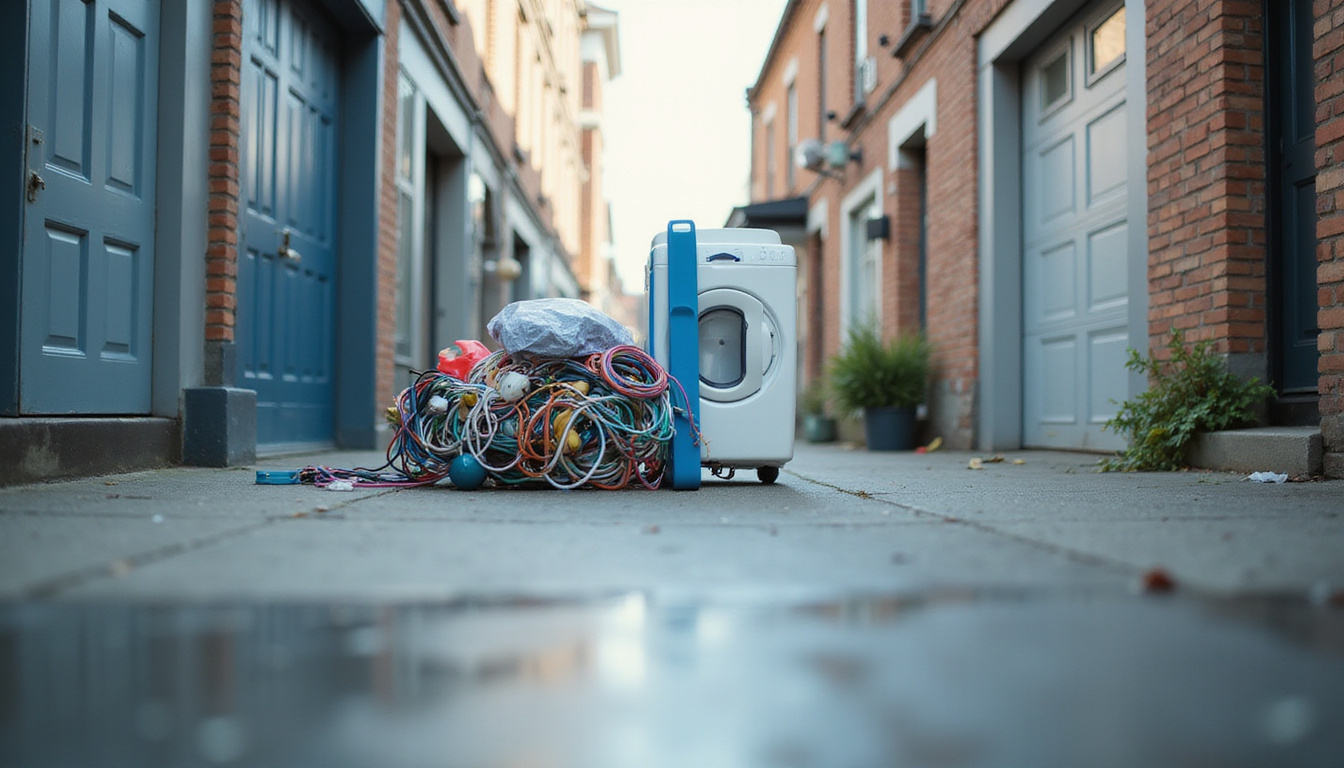
Hack #7: Bundle your haul to cut junk-removal costs
If you truly need a junk-removal service—maybe you’re clearing out an estate, moving, or doing a major renovation—timing and bundling can save you real money.
How to get better rates
-
Bundle all items at once
Haulers typically charge a minimum or by truck volume. Collect all your appliances, furniture, and junk before booking so you fill as much of that minimum as possible. -
Stage items in one accessible area
Put everything in the garage, driveway, or near the curb. Less labor for the crew often translates into a lower quote. -
Get multiple quotes
Call or message at least two or three local haulers, especially smaller, independent services, to compare. -
Ask about discounts
Some offer lower rates for:- First-time customers
- Seniors or veterans
- Multiple households in the same neighborhood pickup
By planning one consolidated pickup instead of three or four small ones, you lower your cost per item and clear everything out in one shot.
Hack #8: Avoid common mistakes that cost you money
A few simple missteps can make small appliance removal more expensive and frustrating than it needs to be.
Mistakes to avoid
-
Waiting until the last minute
Rush jobs limit your options for selling, donating, or using free drop-offs. -
Putting electronics in regular curbside trash
Beyond the environmental impact, you could face fines where it’s restricted. -
Paying a hauler for donatable or saleable items
Always sort first and remove anything you can sell, donate, or give away. -
Not wiping data from “smart” appliances
Some newer devices store Wi-Fi info, email, or app accounts. Reset factory settings or remove accounts before disposal.
A little preparation prevents headaches and keeps more money in your pocket.
Simple checklist: your 7-step small appliance removal plan
Use this practical checklist to move from cluttered to cleared with minimal hassle:
-
Gather everything
Collect all your small appliances into one area: kitchen counter, garage, or living room. -
Sort by condition
- Working perfectly
- Working but worn or damaged
- Not working / unsafe
-
Pull out sale items
List higher-value working items (like premium coffee makers or blenders) on marketplace apps. -
Identify donations
Set aside safe, functional appliances ideal for donation. Call or check online for your local organizations’ rules. -
Plan recycling for dead units
Use your city website or a recycling search tool to find drop-off sites or events for broken or obsolete appliances. -
Strip valuable parts (optional)
Remove metal pieces, cords, and reusable accessories if you’re comfortable doing so and have access to scrap or reuse options. -
Bundle remaining junk
If anything is left that can’t be sold, donated, or recycled easily, schedule one consolidated junk-removal trip.
Following this flow keeps your time investment low and maximizes the value you get back.
Environmental benefits: why proper removal matters
Responsible small appliance removal isn’t just about saving money; it also reduces your environmental footprint.
- Metal recovery: Most appliances contain steel, aluminum, or copper that can be recycled into new products, conserving raw materials.
- Plastic diversion: Some plastics can be processed into new goods, reducing landfill volume.
- Less e-waste: Electronics that end up in landfills can leach hazardous substances into soil and water over time.
By choosing recycling, donation, or reuse whenever possible, you help keep materials circulating longer and reduce demand for new resource extraction.
FAQ: small appliance removal questions
How do I dispose of small kitchen appliances easily?
For simple small kitchen appliance disposal, first test what still works. Sell or donate working toasters, coffee makers, blenders, and microwaves. For broken items, look for local e-waste or appliance recycling events, or ask local retailers if they accept drop-offs. Use junk removal only for what you can’t sell, donate, or recycle.
Can I put small appliances in the recycling bin?
Most curbside programs don’t allow small household appliances in regular recycling bins because they contain mixed materials and electronics. Instead, bring them to designated e-waste or metal recycling facilities, or use community collection events. Always check your city’s official guidelines before placing appliances in any bin.
Is there a cheap way to get rid of old small appliances?
The most affordable small appliance disposal methods are:
- Listing working items for local sale or free pickup
- Donating safe, functional appliances
- Using free municipal drop-off or e-waste days
Reserve paid junk removal for when you’re short on time, clearing a large volume, or dealing with items that can’t be reused or recycled easily.
Take control of your small appliance removal today
You don’t need to live with a cupboard full of unused gadgets or pay premium prices to clear them out. By sorting smartly, taking advantage of retailer programs, donating or selling what still works, and using local recycling options, you can turn small appliance removal into a quick, low-cost project that actually benefits others and the environment.
Start today by gathering all your unused appliances into one spot and moving through the checklist above. If you find you’re dealing with more volume than you want to handle alone, contact a reputable local removal or recycling service and ask about bundled pricing and eco-friendly disposal. The sooner you act, the faster you’ll reclaim your space, cut clutter, and clear your home—without wasting time, money, or effort.
Junk Guys Inland Empire
Phone: 909-253-0968
Website: www.junkguysie.com
Email: junkguysie@gmail.com