
Styrofoam recycling is one of those things everyone means to figure out, but most of us end up stuffing big, squeaky chunks into the trash instead. The result? Wasted space at home, overflowing bins, and higher waste fees. With a few smart hacks, though, you can dramatically cut the volume of foam you throw away, reuse more of it, and even save money on packaging supplies and trash costs.
This guide walks you through practical, real‑world tips to shrink, reuse, and responsibly recycle Styrofoam, even if your curbside program doesn’t accept it.
What counts as “Styrofoam” and why proper disposal matters
First, a quick clarification: “Styrofoam” is actually a brand name for a type of polystyrene foam. In everyday use, people use “Styrofoam” for:
- White foam packing blocks and corners
- Foam coolers and thick shipping containers
- Foam meat trays and take‑out clamshells
- Foam plates, cups, and egg cartons
Most of this is expanded polystyrene (EPS). It’s:
- Very light but very bulky in the trash.
- Slow to break down, persisting for decades.
- Often not accepted curbside, which confuses people.
- Technically recyclable, but only in the right facilities.
Because of these quirks, focusing on smarter Styrofoam recycling and reuse can make a big dent in your household trash volume and related costs.
The money and space problem with Styrofoam
Styrofoam seems harmless because it’s light, but it’s a space hog:
- It fills up your garbage bin fast, which can:
- Push you into overflowing-cart fees.
- Force you to pay for extra bags or more frequent pickups.
- It clutters closets, garages, and storage rooms.
- It takes up more room than almost any other single packaging material.
By reducing the volume and reusing or recycling it, you:
- Free up storage space (for things you actually want).
- Lower trash bills (especially for businesses or multi-unit homes charged by volume).
- Spend less on bubble wrap, packing peanuts, and future shipping materials.
Hack #1: Volume reduction – the easiest “recycling” win
One of the most effective styrofoam recycling hacks doesn’t look like recycling at all: it’s shrinking the volume before disposal or drop‑off.
Break it down (the right way)
- Snap, don’t crush: Break large blocks into flat pieces. Avoid grinding them into tiny bits that can blow away.
- Use a box or bag while breaking: Do the snapping inside a large trash bag or box to contain the crumbs.
- Stack similar shapes: Stack sheets, corners, and trays to create tight, compact bundles before bagging.
This doesn’t change the material, but it can cut the space it takes by more than half, which matters for your bin and for the trucks hauling it.
Compress with weights
If you have many foam trays, cups, or thin packaging:
- Stack them all together.
- Place them in a sturdy bag or box.
- Put a heavy object (like a water jug or books) on top for a day or two.
Slow compression can significantly reduce their volume, helping you save space until you can reuse or drop them off for recycling.
Hack #2: Find foam drop‑off locations that really recycle
Despite the myths, Styrofoam recycling is real in many areas—it just rarely happens through curbside bins.
How to locate real EPS recyclers
Try these steps:
-
Use industry tools
Check the EPS Industry Alliance’s locator or Earth911’s search tool for “polystyrene foam” or “Styrofoam” drop‑offs (source: Earth911). -
Call local shipping stores
Ask UPS Stores, Pak‑Mail, local packaging shops:- “Do you accept clean white polystyrene blocks or peanuts for reuse or recycling?”
-
Check appliance/electronics retailers
Some stores that sell TVs, fridges, or computers accept the foam packaging back for consolidated recycling. -
Look at municipal recycling pages
Many cities list special collection events or permanent drop-off centers for foam.
Prep foam correctly for drop‑off
Facilities that handle Styrofoam recycling usually require:
- Clean and dry only: No food residue, oil, or wet foam.
- White EPS only: No colored foam, no foam with film or foil.
- No labels or tape: Peel off tape and labels when possible.
Doing this prep at home saves recyclers time and keeps the program from being shut down due to contamination.
Hack #3: Smart Styrofoam reuses that actually save money
Not all reuse is worth your time—but some is. Focus on reuses that replace things you’d otherwise buy.
1. Free packing material for shipping
Foam blocks and sheets can replace:
- Bubble wrap
- Air pillows
- Purchased packing peanuts
Uses:
- Sheets around fragile items (frames, electronics, decor).
- Corners to protect furniture and TVs in moves.
- Dunnage inside boxes to keep items from shifting.
If you ship items regularly (eBay, small business, moving house), consistently reusing Styrofoam can eliminate the need to buy new packing supplies.
2. Insulation hacks
Select, clean foam panels can serve as temporary or supplemental insulation:
- Garage or shed doors: Tape or Velcro panels inside to reduce heat gain or loss.
- Cooler inserts: Line basic plastic or cardboard boxes with foam to create makeshift coolers.
- Window drafts (short term, e.g., rentals): Cut panels to size and wedge behind curtains to block cold spots.
Always keep fire safety in mind: Styrofoam burns and releases fumes, so don’t use it near heat sources or exposed wiring.
3. Gardening and plant care
Certain uses in the garden can save money on soil and pots:
-
Pot filler in large containers
Place big chunks at the bottom of very deep pots, then cover with a barrier (like landscape fabric) and add soil on top. This:- Reduces the amount of soil you need to buy.
- Lightens oversized containers for easier moving.
-
Lightweight drainage layer (with caution)
Only use clean, non-crumbly blocks so they don’t break down into microplastics in the soil.
If you want a fully eco approach, limit Styrofoam to pots you control (e.g., patio containers) and never in open beds.
4. DIY craft and organization projects
Foam can replace store‑bought organizers and craft bases:
- Drawer dividers: Cut strips to size to separate socks, tools, or craft supplies.
- Pin boards: Cover a foam sheet with fabric or paper and use it as a bulletin or jewelry board.
- Model bases: Great for kids’ school projects or hobby terrain building.
These uses help you avoid purchasing new plastic or foam products while giving existing foam a second life.
Hack #4: Turn Styrofoam into a community resource
What you see as clutter might be gold for someone else. Turning your Styrofoam recycling challenge into a resource can save them money and space while clearing your own.
Offer excess foam on local platforms
Post on:
- Facebook Marketplace
- Local Buy Nothing or free groups
- Nextdoor
- Maker or hobbyist forums
Mention use cases like:
- Moving and shipping
- Art and theater sets
- School projects
- Prototype building for makers
You offload bulk foam without trashing it, and someone else avoids buying packing or craft materials.
Partner with local schools or makerspaces
Art teachers, theater departments, and makerspaces often need:
- Foam for set pieces
- Carving and sculpting bases
- Prototyping material
Call or email first and describe what you have—they may set up a recurring drop‑off schedule with you or your building.
Hack #5: Use foam densifiers and consolidation for businesses
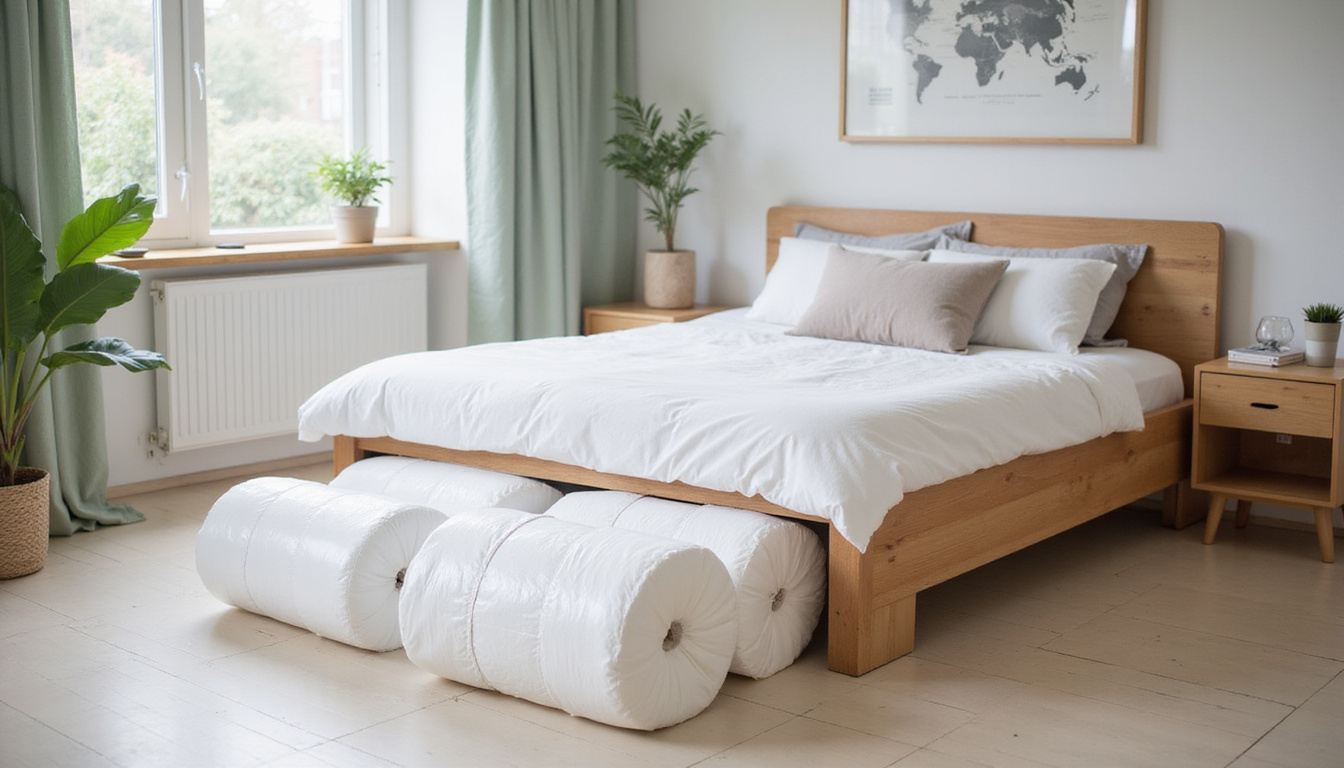
If you run a small business or work in a building that receives lots of shipments, Styrofoam recycling can be a major cost‑saver when done collectively.
Densifiers and compactors
EPS densifiers:
- Heat or compress foam into dense bricks.
- Reduce volume by up to 90–98%.
- Create a material that can be sold to recyclers (e.g., for molding into picture frames, trim, or new products).
For a single household this is overkill, but for:
- Warehouses
- Appliance stores
- E‑commerce operations
- Multi‑tenant office buildings
…it can turn a big waste problem into a small revenue stream and significantly lower dumpster fees.
Shared building programs
If you live in an apartment or condo:
- Talk to building management about a shared foam collection bin in the mailroom or garage.
- Once full, management can take it to a densifier facility or recycling drop‑off.
- Pooling foam from many units makes each trip more cost‑effective.
Hack #6: Prevent future Styrofoam waste (and cost) at the source
The best Styrofoam recycling hack is to avoid creating the waste in the first place. This directly saves money and storage space.
Choose non‑foam packaging when shopping
When possible:
- Prefer products shipped with:
- Corrugated cardboard inserts
- Molded pulp
- Paper padding
- Choose retailers that advertise “plastic‑free” or “recyclable” packaging.
Over time, this means fewer bulky foam blocks arriving at your door.
Opt out of unnecessary foam in take‑out and groceries
- Politely request no Styrofoam when ordering food, if alternatives are available.
- Bring your own containers where allowed.
- Favor grocery stores that use cardboard or recyclable plastic trays instead of foam for meat and produce.
Reuse or decline single‑use items
- Decline foam cups and plates when there are other options.
- Keep a small reusable cup or container in your bag or car.
Every foam item you never take is one less thing you need to store, compress, or figure out how to recycle.
Safe handling tips while you experiment with hacks
While working with Styrofoam:
- Avoid burning: Never burn foam in fireplaces, fire pits, or grills—this releases toxic fumes.
- Control small bits: Work in contained spaces and sweep or vacuum promptly.
- Bag securely: For any foam that must go to trash, double‑bag or tie tightly so pieces don’t escape and become litter.
These practices keep your space cleaner and reduce the chance of foam blowing into drains and waterways.
Quick list: Practical styrofoam recycling hacks to try this month
- Break and stack large blocks to cut volume before disposal or drop‑off.
- Use Earth911 or local tools to locate real foam recyclers.
- Save clean blocks and sheets as free packing material.
- Line coolers, storage boxes, or temporary insulation spots with foam.
- Use blocks as filler in deep plant pots (top with fabric and soil).
- Offer extra foam on local buy‑nothing or maker groups.
- Ask shipping or electronics stores if they accept foam for reuse.
- Encourage your building or workplace to start a shared foam collection.
- Choose non‑foam packaging and containers whenever you can.
FAQ about Styrofoam recycling and reuse
1. Is styrofoam recycling really possible, or should I just throw it away?
Yes, styrofoam recycling is possible, but usually not through curbside bins. Many cities have special drop‑off locations or partner facilities that accept clean, white EPS foam. Use online locators or your city’s waste website to find options near you, and always bring foam in clean, dry condition.
2. How can I reuse Styrofoam at home instead of recycling it?
You can reuse Styrofoam by turning it into packing material for shipping, using blocks as filler in large plant pots, creating temporary insulation in garages or sheds, or cutting it into organizers and craft bases. Focus on reuses that replace things you would otherwise buy, so you save money as well as space.
3. What’s the most space‑saving way to handle polystyrene foam waste?
To save space, first break foam into flat pieces, stack similar shapes, and compress them with weight in a bag or box. This can reduce volume dramatically. Then, whenever possible, take consolidated loads to a foam recycling or densifier facility so you aren’t storing bulky foam long‑term.
Turn foam clutter into savings and space today
Those awkward chunks of Styrofoam don’t have to be a permanent fixture in your garage or a recurring headache on trash day. By learning a few simple styrofoam recycling hacks—breaking and stacking, finding local drop‑offs, reusing foam intelligently, and refusing it when you can—you transform a bulky nuisance into a manageable, sometimes even valuable, resource.
Start with one small step this week: pick a box, collect all your clean foam in it, and look up the nearest drop‑off or a local group that can reuse it. From there, layer in the space‑saving and money‑saving tricks that fit your life. The sooner you tackle that pile of foam, the sooner you’ll reclaim your space—and your trash budget.
Junk Guys Inland Empire
Phone: 909-253-0968
Website: www.junkguysie.com
Email: junkguysie@gmail.com