
A modern waste transfer station sits at the heart of an efficient, compliant, and sustainable waste management system. Whether you operate a facility, work for a municipality, or manage a private hauling business, optimizing your transfer station can dramatically cut costs, improve safety, and reduce your environmental footprint—all while staying ahead of tightening regulations.
This guide walks through how transfer stations work, key design and operational best practices, and practical steps to boost both efficiency and compliance.
What is a Waste Transfer Station?
A waste transfer station is an intermediate facility where collected waste is:
- Brought in by local collection vehicles
- Consolidated, sorted, and sometimes lightly processed
- Loaded onto larger vehicles (trailers, rail, or barges)
- Transported to final destinations such as landfills, material recovery facilities (MRFs), composting sites, or waste‑to‑energy plants
Instead of numerous small trucks driving long distances, a waste transfer station aggregates loads and sends them onward in bulk. This reduces haulage costs, fuel use, greenhouse gas emissions, and traffic congestion.
Common types of transfer stations include:
- Municipal solid waste (MSW) transfer stations – handle household and commercial waste
- C&D transfer stations – focus on construction and demolition debris
- Specialty or regional transfer hubs – may handle bulky items, green waste, or specific waste streams before further processing
Why Transfer Stations Matter: Core Benefits
An efficiently run waste transfer station offers benefits across economics, environment, and community impact.
Economic and Operational Benefits
- Lower transportation costs – Fewer long-haul trips, with higher payloads per trip
- Optimized routing – Collection trucks stay closer to collection routes, increasing daily pickups
- Extended vehicle life – Reduced wear from long-distance travel, rough access roads, and queuing at remote disposal sites
- Scalable operations – Ability to handle peak loads, seasonal spikes, or route expansions without major disruption
Environmental and Community Benefits
- Reduced emissions – Fewer truck miles traveled mean lower CO₂ and NOx emissions
- Better site control – Easier to manage litter, dust, and noise centrally compared to multiple smaller depots
- Opportunity for diversion – Early separation of recyclables, organics, and special wastes increases recycling and recovery rates
- Improved community perception – A well-managed waste transfer station can be clean, quiet, and compatible with nearby land uses
Key Design Elements for an Efficient Waste Transfer Station
Design is the foundation of operational efficiency and regulatory compliance. Upfront planning pays dividends for decades.
Site Selection and Layout
- Location – Close to major routes and collection areas, but with adequate buffer to residential zones
- Traffic flow – Separate routes for incoming and outgoing trucks; clear one‑way circulation to minimize conflicts
- Queuing capacity – Space for vehicles to wait on-site without backing onto public roads
- Future expansion – Room to add bays, tipping floors, or new processing lines as volumes and regulations change
Tipping Floor and Loading Systems
The tipping floor is the high‑activity core of a waste transfer station.
Key choices include:
- Open vs enclosed buildings – Enclosed structures with negative air pressure and filtration help control odor and dust, and increasingly are required in urban areas
- Direct‑load vs push‑pit systems
- Direct‑load: waste is tipped directly into trailers; efficient but requires precise coordination
- Push‑pit: waste is pushed from the floor into a pit and then loaded; more flexible but can need more equipment and maintenance
- Floor materials – Heavy-duty, abrasion‑resistant concrete, designed for frequent cleaning and heavy loads
Compliance: Navigating Regulations and Permits
Every waste transfer station operates under a complex web of permits and regulatory requirements that vary by region but share common themes.
Typical Regulatory Focus Areas
- Facility siting and zoning – Zoning restrictions, required buffers, and community consultation
- Waste handling and storage limits – Maximum tonnage per day and maximum on-site storage duration
- Leachate and stormwater control – Containment, drainage systems, and discharge permits
- Air quality and odor management – Emissions limits, odor control plans, and monitoring
- Noise, dust, and litter – Mitigation measures such as barriers, misting, sweeping, and fencing
- Health and safety – Worker safety programs, training, and equipment standards
For example, the U.S. Environmental Protection Agency (EPA) sets overarching standards and guidance for solid waste facilities, which are then implemented through state and local regulations (source: U.S. EPA – Sustainable Management of Materials).
Building a Strong Compliance Framework
To stay ahead of enforcement actions and community complaints:
- Maintain an up‑to‑date permit register – Know exactly which permits apply and when renewals, reporting, and inspections are due
- Standardize operating procedures (SOPs) – Clear step‑by‑step instructions for receiving, screening, handling, and dispatch
- Implement regular internal audits – Monthly or quarterly checks on documentation, equipment, and environmental controls
- Train all staff – Compliance is only effective when operators, spotters, scale house staff, and drivers know their responsibilities
Operational Best Practices to Boost Efficiency
Design and compliance create the framework; daily operations determine performance. Improving a waste transfer station’s efficiency hinges on three main areas: flow, equipment, and people.
Optimize Traffic and Material Flow
- Separate scales and entry points for incoming and outgoing vehicles where possible
- Use digital queuing systems to assign bays or tipping areas, reducing idle time
- Design clear signage and lane markings to prevent confusion and dangerous maneuvers
- Stagger contractor and municipal arrivals during peak periods to even out flow
Well‑planned flow reduces fuel consumption, cycle times, and the risk of collisions.
Invest in the Right Equipment
- Loaders and dozers – Matched to facility size, with attachments optimized for pushing, sorting, and loading
- Compactors – For high-density loading into transfer trailers or containers
- Conveyors and sorting lines – Where pre‑sorting or recovery of recyclables is part of the business model
- Automated weighbridge systems – Integrating scale data directly into billing and reporting systems
Routine preventive maintenance is essential. Breakdowns on the tipping floor can shut down the entire waste transfer station, leading to costly downtime and breach of service contracts.
Standardize and Refine Operating Procedures
Consistent SOPs help reduce errors, accidents, and inefficiencies. Core procedures should cover:
- Waste acceptance and inspection
- Handling of prohibited or special wastes
- Loading sequences and trailer capacity targets
- Housekeeping and end‑of‑shift cleaning
- Incident reporting and emergency response
Review and update procedures regularly based on incident reports, near‑misses, and process improvements.
Safety and Risk Management
A waste transfer station is a high‑risk environment, with heavy machinery, truck traffic, and unpredictable waste streams. Embedding safety into every aspect of operations is non‑negotiable.
Core Safety Measures
- Traffic management plans – Clear rules for speed, right‑of‑way, reversing, and pedestrian access
- Spotters and cameras – For difficult sightlines, vehicle backing operations, and high‑activity areas
- PPE requirements – Hard hats, high‑visibility clothing, gloves, eye protection, steel‑toe boots, and respiratory protection where needed
- Confined space and fire safety – Particularly around pits, compactors, and balers
Managing Hazardous and Prohibited Wastes
Even if your permit does not allow hazardous waste, some will inevitably appear on the tipping floor. Operators must:
- Recognize hazardous indicators (labels, containers, odors, unusual reactions)
- Isolate suspect loads in designated quarantine areas
- Follow documented protocols for contacting specialists or returning loads
- Keep detailed records of incidents and follow‑up actions
Environmental Controls and Odor Management
Environmental performance is central to both compliance and community relations. Poor control of odor, litter, and runoff can quickly generate complaints and regulatory scrutiny.
Key Environmental Systems
- Leachate collection – Proper grading, sumps, and containment to prevent contamination of soil and groundwater
- Stormwater management – Segregate “clean” and “contact” water; use oil‑water separators where needed
- Dust and litter control – Water misting systems, wheel‑wash facilities, regular sweeping, and perimeter fencing with litter nets
- Odor control – Enclosed tipping areas, rapid door systems, negative air pressure, biofilters or chemical scrubbers, and good housekeeping
Monitoring programs (for air, noise, and water quality) demonstrate due diligence and can guide further improvements.
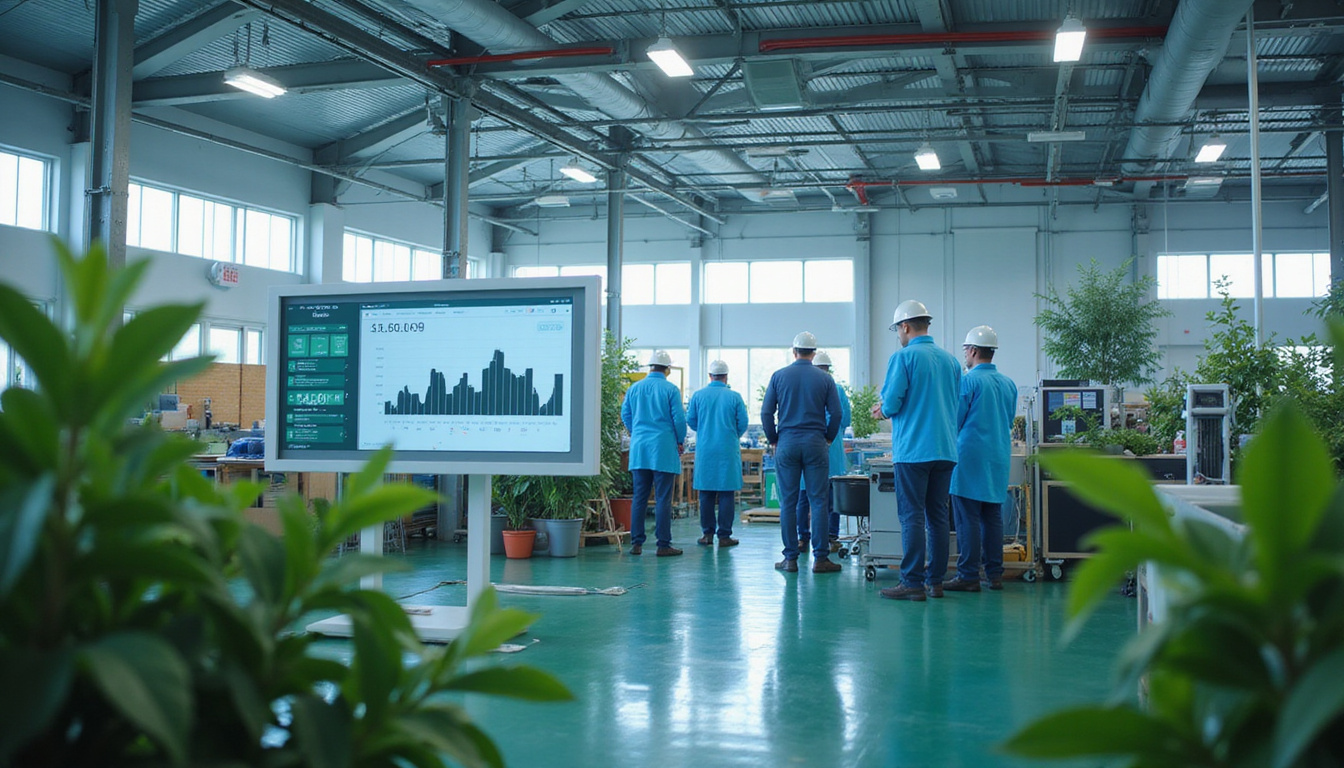
Technology and Data: From Weighbridges to Analytics
Modern technology can transform a waste transfer station from a basic tipping point into a data‑rich, automated hub.
Core Digital Tools
- Weighbridge software – Automates ticketing, tracks waste streams by source, and links to invoicing
- RFID or license plate recognition – Speeds vehicle identification and reduces manual entry errors
- SCADA and equipment monitoring – Real‑time tracking of compactor loads, motor status, and energy use
- CCTV and telematics – For safety monitoring, driver behavior analysis, and incident investigation
Using these tools, operators can analyze:
- Peak traffic times
- Average turnaround times per customer or vehicle class
- Load factors and trailer utilization
- Contamination rates in recyclables or organics
This data supports continuous improvement and better strategic planning.
Steps to Improve an Existing Waste Transfer Station
If you already operate a waste transfer station, you can often unlock major gains with targeted changes rather than a full rebuild.
Consider this improvement roadmap:
- Audit current operations – Map flows, measure cycle times, review incident reports, and verify compliance status
- Identify bottlenecks – Are queues forming at scales, on tipping floors, or at exits? Are certain waste streams causing delays?
- Upgrade layout or signage – Simple re-striping, barriers, or directional signage can significantly reduce confusion and risk
- Enhance housekeeping and maintenance – Daily cleaning routines and preventive maintenance plans improve safety, performance, and regulatory perception
- Train and cross‑train staff – Well‑trained operators can flex across roles, spot issues early, and suggest process improvements
- Pilot technology additions – Start small with upgraded weighbridge software or better reporting tools, then scale up successful solutions
- Engage with regulators and community – Proactive communication builds trust and may smooth the path for operational changes or expansions
FAQs About Waste Transfer Stations
1. How does a waste transfer station work day‑to‑day?
Collection trucks deliver loads to the waste transfer station, where they are weighed, inspected, and tipped onto the floor or into a pit. Operators then consolidate and, if needed, sort the material before loading it into larger trailers or containers. These bulk loads are weighed again and dispatched to landfills, recycling facilities, or other treatment sites, with all data recorded for reporting and billing.
2. What are common waste transfer facility design mistakes?
Frequent design issues include inadequate traffic flow, undersized tipping floors, poor stormwater separation, and insufficient odor control. These mistakes can lead to congestion, safety incidents, non‑compliance, and community complaints. Involving experienced designers and operators early in the planning process reduces these risks.
3. How can a local authority improve waste transfer operations?
Local authorities can improve their waste transfer station performance by standardizing contracts and reporting with haulers, investing in updated weighbridge and data systems, implementing clear SOPs, and prioritizing staff training. Regular performance reviews and community feedback sessions also help identify opportunities for better service and environmental stewardship.
Turn Your Transfer Station Into a High‑Performance Asset
A well‑planned, well‑run waste transfer station is far more than a temporary dumping ground—it’s a strategic asset that shapes your entire waste system’s cost, safety, and environmental footprint. By refining design and traffic flow, strengthening compliance and safety culture, investing in the right technology, and maintaining strong environmental controls, you can transform daily operations and build long-term resilience.
If you’re ready to assess your current facility, plan a new one, or overhaul outdated processes, now is the time to act. Engage your team, review your data and permits, and map out a concrete improvement plan. The sooner you optimize your transfer station, the faster you’ll see lower operating costs, stronger compliance, and improved service for the communities you serve.
Junk Guys Inland Empire
Phone: 909-253-0968
Website: www.junkguysie.com
Email: junkguysie@gmail.com